
Understanding Your Dog's Tail Language
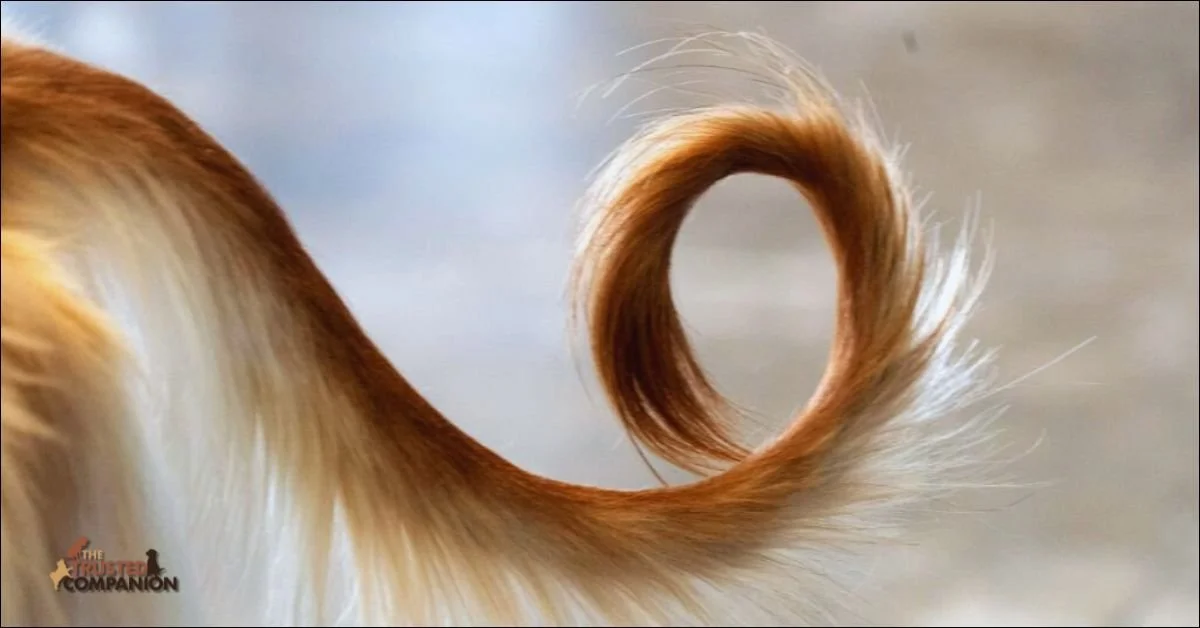
Your dog may not speak with words, but they communicate constantly through movement, posture, facial expressions, and vocalizations. One of the clearest signals to watch is your dog’s tail. Learning to understand your dog’s tail language can help you recognize when they are relaxed, excited, uncertain, stressed, playful, or uncomfortable.
For many dog owners, behavior can feel confusing. You may see your dog wagging their tail and assume they are happy, only to notice that they are also barking, stiffening up, or avoiding someone. This is why it is important to look beyond the wag itself. A tail is not a simple happiness meter. Instead, it is one piece of a larger communication system.
At The Trusted Companion, we believe every dog owner deserves to feel calmer and more confident when reading their dog’s behavior. You do not need to be a professional trainer to begin noticing the signals your dog gives you every day. With patience, observation, and the right guidance, you can better understand what your dog needs and build a relationship grounded in safety, trust, and connection.
Why Understanding Dog’s Tail Language Matters
A dog’s tail language offers valuable clues about their emotional state and intentions. Dogs use their tails when greeting people, meeting other dogs, playing, exploring unfamiliar places, and responding to stressful situations. The position, movement, speed, and stiffness of the tail can all mean something different.
Many people have been taught that a wagging tail means a friendly dog. While a loose wag can be a sign of joy, that is not always the case. A dog can wag their tail when they feel excited, tense, anxious, curious, alert, or even conflicted. The rest of the dog’s body tells you whether that wag is a welcome sign or a reason to slow down.
Understanding a dog’s tail language can help you:
Recognize signs of stress before your dog becomes overwhelmed.
Make safer decisions during dog-to-dog interactions.
Improve training sessions by noticing when your dog is ready to learn.
Respond more compassionately when your dog feels nervous or afraid.
Build trust by respecting your dog’s boundaries.
Identify behavioral changes that may require veterinary attention.
A dog who feels understood is more likely to feel safe. When you learn to notice small signals early, you can often prevent stressful situations from escalating. This is especially important for owners managing reactivity, anxiety, fear, guarding behavior, or concerns about aggression.
A Wagging Tail Does Not Always Mean Happiness
Tail wagging is often associated with excitement and affection, but the meaning depends on the full picture. Before assuming your dog is happy, observe their tail position, body posture, ears, eyes, mouth, and movement.
A relaxed dog may have a soft body, a loose wag, gentle eyes, and an open mouth. Their movements tend to look fluid and wiggly. They may approach people or other dogs with their bodies curved rather than moving forward stiffly.
A tense dog may wag their tail while standing very still. Their tail might be held high, move in short or rapid motions, or remain stiff at the base. They may stare intensely, close their mouth, raise their hackles, or lean forward. In this situation, the wag does not necessarily mean the dog wants interaction.
Dogs may wag their tails for many reasons, including:
Happiness and social excitement.
Anticipation of something enjoyable, such as a walk or a meal.
Curiosity about a person, object, sound, or animal.
Uncertainty in a new environment.
Nervousness or fear.
Heightened arousal.
A warning that they are uncomfortable.
The key is to avoid interpreting one signal in isolation. Think of your dog’s tail as part of a sentence. The tail movement is one word, while the ears, eyes, mouth, posture, and behavior complete the message.
How to Read Your Dog’s Tail Language
Every dog is an individual, but certain tail positions and movements commonly appear in specific emotional situations. Use these examples as a starting point, then learn your own dog’s normal posture and communication style.
1. High Tail With Fast Wagging
A tail held high and wagging quickly often suggests high energy, alertness, or excitement. Your dog may be eager to greet you, ready to play, or intensely focused on something in their environment.
If the dog’s body looks loose, their eyes are soft, and their movement is bouncy, the high, fast wag may reflect happy excitement. For example, your dog may greet you at the door with a lifted tail, wiggling body, and playful energy after you return home.
However, a high tail can also signal tension or confidence. If the tail is high and rigid, the dog’s body is stiff, and their gaze is fixed, they may be feeling challenged or uncomfortable. Give them more space and avoid forcing contact.
2. Loose Tail Wag at Mid-Level
A relaxed tail held at a natural middle position is often one of the easiest signs to read. When your dog’s tail swings softly from side to side, and their body remains relaxed, they are usually feeling comfortable.
You may see this type of dog’s tail language when your dog is greeting someone they trust, exploring a familiar area, enjoying a calm walk, or participating in friendly play. Their body may appear wiggly rather than stiff, and their mouth may be slightly open.
This is generally a positive signal, but always continue watching the entire body. A dog can shift from relaxed to overwhelmed quickly in a busy or unfamiliar environment.
3. Slow Wag With a Cautious Body
A slow wag does not always mean calmness. Sometimes it means your dog is trying to understand what is happening. They may be curious but unsure, interested but hesitant, or waiting to see whether a person, dog, or situation is safe.
A cautious dog may stand with their weight shifted backward, move slowly, or keep their mouth closed. Their tail may be neutral or low, moving slowly and in a controlled way. This often happens when dogs encounter unfamiliar visitors, strange noises, new objects, or other dogs they do not know.
In this moment, avoid pressuring your dog to greet or interact. Give them time, create distance if needed, and let them approach at their own pace. A calm response from you can make a big difference.
4. Low Tail or Tail Held Below Neutral
A tail held lower than usual may suggest uncertainty, nervousness, submission, or discomfort. Some dogs naturally carry their tails lower than others, so it is important to know what is normal for your individual dog.
If your dog’s tail is low but loose and their body is relaxed, they may simply be resting or calmly observing. But if the tail is low and the dog is crouching, licking its lips, turning away, or avoiding eye contact, it may be feeling stressed.
Low-tail behavior often appears in unfamiliar settings, around loud noises, when meeting confident dogs, or during situations where a dog does not know what is expected of them.
5. Tucked Tail Between the Legs
A tucked tail is one of the most recognizable signs of fear, anxiety, or significant discomfort. Dogs may tuck their tail tightly against their body when they feel threatened, overwhelmed, or frightened.
You may notice a tucked tail during thunderstorms, fireworks, veterinary visits, crowded events, confrontational dog encounters, or when handling is unfamiliar. Dogs with a tucked tail may also tremble, crouch, attempt to hide, flatten their ears, or avoid eye contact.
A tucked tail does not mean your dog is being stubborn or difficult. It usually means they are struggling to cope with the situation. Instead of correcting the behavior, focus on helping your dog feel safer. Move them away from the trigger when possible, lower the pressure, and give them a quiet place to decompress.
6. Stiff Tail Held High
A stiff, raised tail can be a warning sign. It often indicates alertness, arousal, tension, or a readiness to respond to a perceived threat. Some dogs may hold their tails high when they are assessing another dog, guarding something valuable, or feeling challenged.
This posture is especially important when it appears with other stress signals, including:
A frozen or rigid body.
Hard, direct eye contact.
Raised hackles.
A closed, tense mouth.
Low growling.
Leaning forward.
Slow, deliberate movement.
If you see these signs, do not assume your dog is being aggressive simply because their tail is high. They may be uncertain or trying to create space. Still, it is wise to calmly remove them from the situation, prevent direct contact, and avoid forcing a greeting.
7. Tail Hanging Naturally or Remaining Still
A tail that hangs naturally may simply mean your dog is relaxed. Many dogs have a neutral tail carriage that varies depending on their anatomy and breed. A relaxed dog may have a tail that hangs in a gentle curve or rests quietly behind them.
A still tail can also mean your dog is focused. For example, a dog may stop wagging when they hear a sound, watch a squirrel, or concentrate on a scent during a walk.
However, sudden stillness combined with stiffness can signal discomfort. When a dog freezes, even briefly, they may be deciding whether they need to protect themselves or move away. Respect that pause. Give them room and avoid touching or approaching them without considering the rest of their body language.
Dog’s Tail Language in Social Situations
Dogs use tail communication frequently when meeting and interacting with other dogs. A healthy interaction usually includes movement, pauses, curved approaches, sniffing, and opportunities for both dogs to create distance.
A loose, mid-level wag paired with relaxed body language may indicate that a dog is open to friendly interaction. Playful dogs may use exaggerated movements, play bows, bouncy steps, and broad wagging tails.
On the other hand, a dog who stands tall with a high, rigid tail may be feeling intense or uncertain. A tucked tail may indicate fear. A low, slow wag may mean the dog is trying to decide whether they feel safe.
During dog-to-dog introductions, watch for these patterns:
Loose body and wide tail wag: Often a relaxed, social greeting.
Wiggly movement and play bow: Often an invitation to play.
High, stiff tail and frozen posture: A sign to pause and create space.
Tail tucked tightly under the body: Fear or an attempt to avoid conflict.
Tail wagging while the body stays rigid: Possible tension or conflicting emotions.
Turning away, sniffing the ground, or moving in an arc: A calming signal or an effort to reduce social pressure.
Never force dogs to interact just because their tails are wagging. A better approach is to give them space, let them move at a comfortable pace, and separate them if either dog appears uncomfortable.
Breed Differences and Tail Shapes
Not every dog carries their tail in the same way. Breed, anatomy, past injury, age, and individual temperament all affect how visible a dog’s tail signals may be.
1. Curled Tails
Dogs with naturally curled tails, such as many spitz-type breeds, may carry their tails over their backs. Because their tail position is already elevated, it can be harder to recognize subtle changes. Instead of focusing only on the curl, pay attention to whether the tail becomes tighter, looser, lower, more rigid, or less mobile than usual.
2. Long, Straight Tails
Dogs with long, straight tails may be easier to read because the position and movement are more visible. Still, the same rule applies: a wag needs context. A long tail moving loosely at a middle position may suggest comfort, while a high, rigid tail may signal heightened arousal.
3. Short or Docked Tails
Dogs with docked tails or naturally short tails can still communicate clearly. They may rely more heavily on ear position, facial expressions, body posture, movement, vocalizations, and the way they hold their weight.
If your dog has a short tail, look closely at their whole body. A relaxed dog may have soft eyes, loose shoulders, and fluid movement. A worried dog may lower their body, pin their ears back, lick their lips, or try to move away.
Read the Whole Dog, Not Just the Tail
The most reliable way to understand dog’s tail language is to combine it with other body language signals. Tail movement alone cannot tell you everything your dog is feeling.
1. Body Posture
A confident and comfortable dog often appears loose and balanced. Their movement may be curved, bouncy, or relaxed. A dog who feels threatened may become stiff, crouched, or shifted backward.
A dog leaning forward with a high, rigid tail may be intensely focused. A dog leaning away with a tucked tail may be asking for space. These details matter.
2. Ears
Ears can communicate a great deal. Forward ears may indicate interest, attention, or alertness. Ears pinned tightly back may signal fear, discomfort, or appeasement.
Remember that ear shape differs by breed. A floppy-eared dog may show subtle ear movements that are harder to notice, so observe their entire face and posture.
3. Eyes
Soft eyes, blinking, and a relaxed gaze often suggest comfort. A hard stare, wide eyes, or visible whites of the eyes may indicate stress or tension. Visible eye whites are often called “whale eye,” and they can be a sign that your dog is uncomfortable with what is happening.
4. Mouth and Facial Expression
A relaxed dog may have a slightly open mouth and a soft expression. A tense dog may close their mouth tightly, pull their lips back, yawn repeatedly, lick their lips, or pant when they are not hot or physically active.
By noticing these signals together, you can understand more than just whether your dog is wagging. You can begin to recognize whether they feel secure, uncertain, excited, overstimulated, or worried.
Using Tail Language During Training
Understanding a dog’s tail language can make training sessions more effective and less stressful. Dogs learn best when they feel safe enough to focus. If your dog is relaxed, engaged, and comfortable, they are more likely to understand what you are teaching.
A loose wag, a soft body, and an interest in treats or toys may indicate that your dog is ready to train. Short, positive sessions can help build confidence and strengthen your relationship.
If your dog’s tail is tucked, low, rigid, or unusually still, take a step back. They may be tired, nervous, distracted, or overwhelmed. Pushing forward when your dog is struggling can create frustration for both of you.
Instead, try these approaches:
Move to a quieter environment.
Increase distance from distractions.
Use high-value rewards.
Keep sessions short and successful.
Lower the difficulty of the exercise.
Give your dog breaks.
End on a positive note.
Training is not about demanding perfection. It is about helping your dog understand what you want while building trust. When you listen to their signals, you create a more supportive learning experience.
When a Tail Change May Signal a Health Concern
A sudden change in tail movement or position can sometimes indicate pain or a medical issue. If your dog normally wags freely but suddenly seems unable or unwilling to move their tail, it is worth paying attention.
Contact your veterinarian if you notice signs such as:
A sudden limp or drooping tail.
Pain when the tail or lower back is touched.
Difficulty sitting, standing, or walking.
Swelling, bleeding, or injury around the tail.
Changes in bathroom habits.
Loss of tail movement after intense activity.
Tail changes paired with lethargy, loss of appetite, or distress.
Some dogs can experience conditions that affect the muscles and nerves around the tail. Older dogs may also develop mobility concerns that change how they hold or move their tail. A veterinarian can help rule out physical causes before behavior is assumed to be the issue.
When to Get Professional Support
You do not have to figure out every behavior concern alone. If your dog frequently shows fear, anxiety, reactivity, guarding, intense barking, lunging, or aggression, professional guidance can help you move forward with more clarity.
Many dog owners feel embarrassed or guilty when their dog struggles. They may worry that they caused the problem or that their dog is beyond help. The truth is that behavior challenges do not make you a bad owner, nor do they mean your dog is a bad dog.
The Trusted Companion offers a calm, non-judgmental approach for owners who want to better understand their dog and create lasting change. Whether your dog is young, older, newly adopted, fearful, reactive, or simply difficult to read, the right support can help you feel less overwhelmed and more confident.
Conclusion
Your dog’s tail is more than just a cute feature—it’s a powerful communication tool. By learning to understand your dog’s tail language, you’ll be better equipped to support their emotional well-being and build a strong, trusting bond.
Whether your dog wags with excitement, tucks their tail in fear, or holds it high in alertness, these signals offer valuable insight into how they’re feeling. When you combine tail cues with other body language signs, you gain a deeper understanding of your dog’s emotions and behavior.
If you're ready to take the next step in understanding and strengthening your relationship with your dog, contact The Trusted Companion today.
Training your dog with The Trusted Companion can help you develop the skills to interpret your dog’s signals with confidence and respond in ways that support their needs. Let’s work together to build a happier, more connected life for you and your dog.
FAQs
What does it mean when my dog wags its tail?
A wagging tail usually shows excitement, but the speed and direction matter. A loose, side-to-side wag often means happiness, while a stiff wag may signal nervousness or alertness.
Why does my dog tuck its tail between its legs?
When a dog tucks its tail low or between its legs, it often feels scared, submissive, or uncertain. This posture signals that your dog is trying to avoid conflict or show it's not a threat.
Can tail position tell me how my dog feels?
Yes, the height and stiffness of the tail can reveal a dog’s emotional state. A high, stiff tail may signal dominance or alertness, while a low or relaxed tail suggests calmness or insecurity.
Do all breeds express tail language the same way?
Not exactly. Breeds with curled, docked, or naturally short tails may show emotions differently, so it's important to read the full body language along with the tail.
Should I worry if my dog holds its tail still?
A completely still tail may indicate that your dog is highly focused, unsure, or even in pain. If this behavior is sudden or paired with other changes, it's best to consult your vet.