
Helping Your Dog Adjusting to a New Home: Guide for Pet Owners
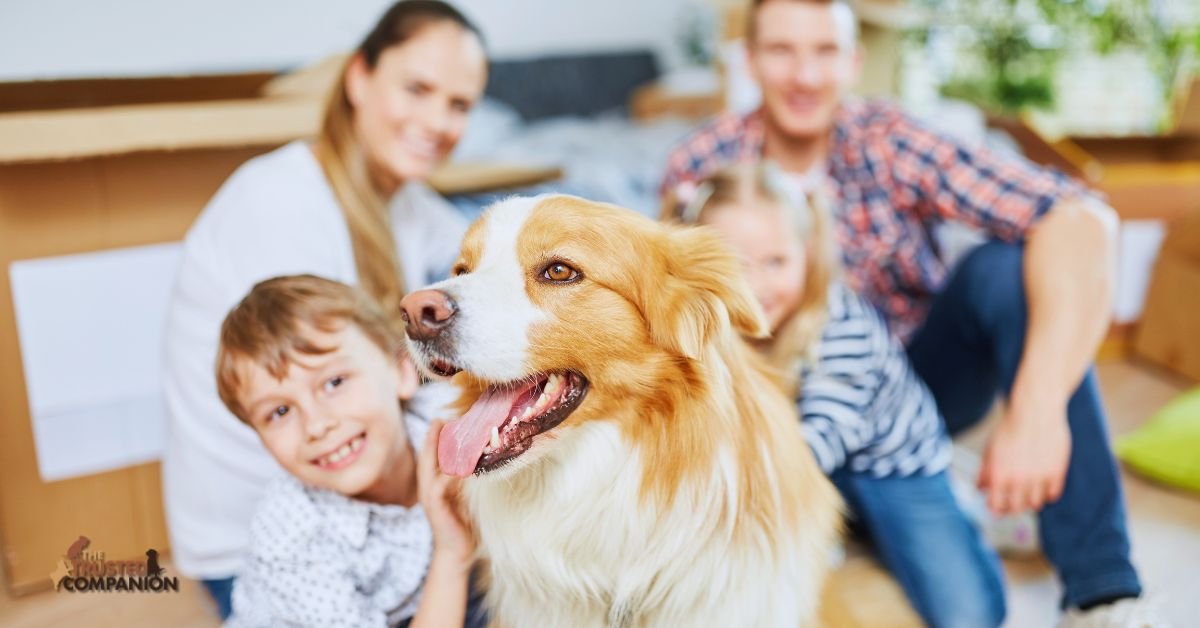
Moving into a new home brings change, excitement, and sometimes stress. While people can understand the reasons behind a move, dogs experience it very differently. A dog adjusting to a new home must rely on new smells, new sounds, and a completely unfamiliar environment. This can feel overwhelming at first.
Dogs are creatures of habit. They depend on routine and familiarity to feel safe. When that routine is disrupted, they often show signs of confusion or stress. The good news is that with patience and the right approach, you can make your dog's adjustment to a new home much smoother.
This guide will walk you through what to do before the move, during the transition, and after settling in, so your dog can feel comfortable and secure as quickly as possible.
Understanding How Dogs React to Moving
Before getting into the steps, it helps to understand what your dog may be experiencing.
When a dog is adjusting to a new home, everything changes at once. The scent of the old home is gone. The usual walking routes are different. Even the sounds of the neighborhood may feel unfamiliar.
Some dogs may adapt quickly, while others may take longer. Common reactions include restlessness, clinginess, loss of appetite, or changes in behavior. These responses are normal and usually temporary.
Think of it as your dog learning a completely new map of their world. Your role is to guide them through that process calmly and steadily.
Preparing Your Dog Before the Move
A smooth transition starts before you even leave your current home.
Begin by reinforcing basic training. Spend a few minutes each day practicing simple commands like sit, stay, and come. This helps your dog stay focused and builds confidence. When a dog adjusting to a new home has a strong connection with their owner, they are more likely to feel secure.
As packing begins, your home may become noisy and busy. Set up a quiet area where your dog can relax. This could be a crate or a small room with familiar items such as their bed, toys, and food bowls.
Keeping this space consistent helps reduce anxiety. It gives your dog a place to retreat when things feel overwhelming.
Daily exercise is also important during this time. Walks, play sessions, and mental activities help release energy and reduce stress. A tired dog is often a calmer dog.
If you expect moving day to be chaotic, consider arranging temporary care. Leaving your dog with a trusted friend, family member, or reputable boarding facility can make a big difference. It allows your dog to avoid the confusion and noise while you focus on the move.
Moving Day Tips for a Safer Transition
Moving day can be one of the most stressful parts of the process. Doors are open, people are coming and going, and items are being moved around quickly.
To protect your dog, keep them in a secure and quiet space away from the activity. This prevents accidents, injuries, or the risk of your dog running out of the house.
Make sure your dog has access to water, familiar toys, and a comfortable place to rest.
If your dog is not staying elsewhere, try to maintain small parts of their routine. Feed them at the usual time and, if possible, take short breaks for walks.
These small actions can help your dog adjust to a new home and feel less unsettled during a busy day.
First Steps When You Arrive at Your New Home
The moment you arrive at your new home is important. First impressions matter, even for dogs.
Before letting your dog explore freely, take a few minutes to check for hazards. Look for toxic plants, exposed wires, cleaning chemicals, or gaps in fences. A safe environment is the first step in helping your dog adjust.
Introduce your dog to the home gradually. Walk them through the house on a leash so they can explore without becoming overwhelmed. Let them sniff and observe at their own pace.
Do the same outside. Walk them around the yard or nearby area so they can begin to understand their new surroundings.
While you unpack, keep your dog in a controlled area. This helps prevent accidents and allows them to settle in without too much stimulation.
Creating a Familiar Environment
One of the most effective ways to support a dog adjusting to a new home is to maintain familiarity.
Use the same items from your previous home. This includes your dog’s bed, crate, toys, and feeding bowls. These objects carry familiar scents that can be comforting.
Try to place these items in similar positions. For example, if your dog’s bed used to be in the corner of the living room, place it in a similar spot in your new home.
Routine is just as important. Feed your dog at the same time each day. Stick to regular walking schedules. Keep playtime consistent.
These habits provide structure and help your dog understand that even though the place has changed, their daily life remains stable.
Helping Your Dog Build Confidence
As your dog begins adjusting to a new home, it is important to build their confidence in the new space.
Start by allowing them to explore one area at a time. Avoid giving full access to the entire house right away. Too much space can feel overwhelming.
Reward calm and positive behavior with praise or treats. This encourages your dog to associate the new home with good experiences.
Interactive toys and simple training sessions can also help. These activities keep your dog mentally engaged and redirect their focus away from stress.
If your dog seems nervous, stay calm and steady. Your behavior strongly influences how your dog reacts. When you appear relaxed, your dog is more likely to feel the same way.
Managing Common Challenges
It is common to face a few challenges as your dog adjusts to a new home.
One of the most frequent issues is accidents inside the house. Even well-trained dogs may forget their habits in a new environment. This can happen if they smell traces of other animals or feel unsure about where to go.
To manage this, supervise your dog closely. Take them outside regularly and reward them for going in the correct place. Limit access to certain areas until they become more reliable.
Some dogs may show signs of stress, such as barking, chewing, or pacing. Others may become quiet or withdrawn.
Watch for signs like:
Restlessness or pacing
Hiding or avoiding interaction
Increased barking
Chewing on furniture or objects
Changes in appetite
Digestive issues
These behaviors often improve as your dog becomes more comfortable. However, if symptoms continue or worsen, it may be helpful to consult a veterinarian.
Avoiding Unintentional Reinforcement
When a dog is adjusting to a new home, it is natural to want to comfort them. However, too much attention during anxious moments can reinforce the behavior.
If your dog is acting nervous or overly clingy, avoid excessive reassurance. This can signal that there is cause for concern.
Instead, redirect their attention to a positive activity. Take them for a walk, practice a command, or offer a toy.
Reward calm behavior rather than anxious behavior. This helps your dog learn that staying relaxed leads to positive outcomes.
Gradually Introducing Alone Time
Another important step in helping your dog adjust to a new home is teaching them to be comfortable alone.
During the first few days, try to spend more time at home. This helps your dog feel secure. Once they begin to settle, start leaving for short periods. Even stepping outside for a few minutes can be a good start.
Slowly increase the time you are away. This gradual approach helps prevent separation anxiety. Make sure your dog has access to a safe space and engaging items while you are gone. This keeps them occupied and reduces stress.
Socializing in the New Environment
Your dog’s world extends beyond your home. As part of adjusting to a new home, they also need to become familiar with the neighborhood.
Introduce new walking routes slowly. Allow your dog to explore at their own pace. Be mindful of new sounds such as traffic, neighbors, or other animals. These can take time to get used to.
If your dog is comfortable, allow them to meet new people and other dogs in a controlled way. Positive social experiences can help build confidence.
Taking Care of Health and Safety Needs
After moving, it is important to update your dog’s information and care providers.
Find a local veterinarian and schedule a visit. This allows your dog to become familiar with the clinic before any urgent needs arise.
Update your dog’s ID tags with your new address and contact details. If your dog has a microchip, make sure the information is up to date.
Check local regulations regarding pet registration. Following these requirements helps keep your dog safe.
How Long Does Adjustment Take
Every dog is different. Some may feel comfortable within a few days, while others may take several weeks.
On average, a dog adjusting to a new home may take about two to three weeks to settle into a routine. More sensitive dogs may need additional time.
The key is consistency. Stick to routines, provide guidance, and remain patient.
Over time, your dog will begin to understand their new environment. The unfamiliar will become familiar, and the new house will start to feel like home.
Supporting Long-Term Comfort
Even after your dog seems settled, continue to support their comfort.
Keep routines consistent and continue engaging in regular activities. Training, exercise, and play all contribute to a stable environment.
Pay attention to your dog’s behavior. Small changes can provide clues about how they are feeling.
A dog adjusting to a new home does not just need time. They need guidance, structure, and reassurance through your actions
Conclusion
Helping your dog adjust to a new home takes patience, consistency, and the right guidance. While the transition can feel overwhelming at first, most dogs settle in well when they have structure, familiar routines, and positive experiences.
Stay calm, keep things consistent, and give your dog the time they need to build confidence in their new surroundings. Before long, your dog will begin to feel safe, comfortable, and truly at home.
If you need extra support, Trusted Companion is here to help. Contact us today to learn how our dog training programs can guide you and your dog through a smooth and successful transition.
FAQs
How long does it take for a dog to adjust to a new home?
Most dogs take about two to three weeks to adjust to a new home, but this can vary based on temperament and past experiences. Some may settle in quickly, while others need more time and consistent routines.
What are signs my dog is stressed after moving?
Common signs include restlessness, loss of appetite, excessive barking, hiding, or destructive behavior. These reactions are normal and usually fade as your dog becomes more familiar with the environment.
How can I make my dog feel safe in a new home?
Create a consistent routine, use familiar items like their bed and toys, and introduce spaces gradually. Keeping feeding, walking, and playtimes predictable helps your dog feel secure.
Should I change my dog’s routine after moving?
It’s best to keep your dog’s routine as consistent as possible. Maintaining the same feeding times, walks, and activities provides stability during an otherwise unfamiliar transition.
Can moving cause behavioral changes in dogs?
Yes, dogs may temporarily show changes like accidents indoors, clinginess, or anxiety. With patience, training, and positive reinforcement, these behaviors typically improve as they adjust.