
Choosing a Dog Trainer: Guide to Finding the Right Fit for You and Your Dog
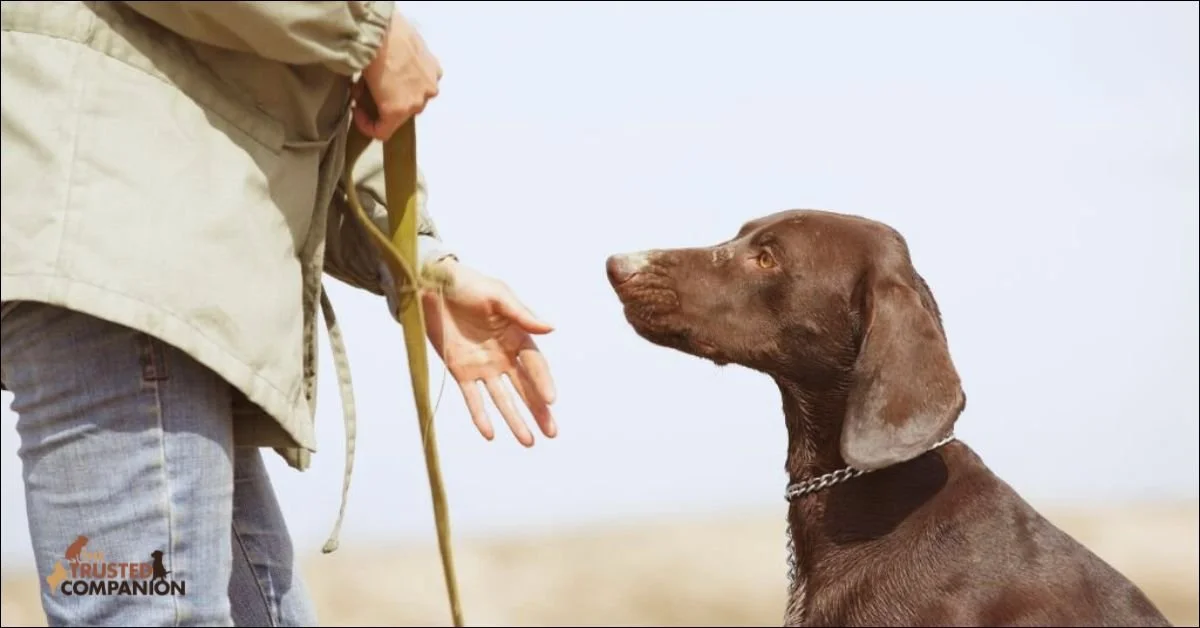
If you are feeling overwhelmed by your dog’s behavior, you are not alone. Many dog owners reach a point where love and effort no longer seem enough. Maybe your dog pulls hard on the leash, ignores commands, or reacts unpredictably to people or other animals. It can feel frustrating, confusing, and sometimes even discouraging.
This is exactly where choosing a dog trainer becomes one of the most important decisions you will make as a dog owner.
The right trainer does more than teach commands. They help you rebuild communication, restore calm, and create a relationship that feels safe and enjoyable again. The wrong trainer, on the other hand, can increase stress and confusion for both you and your dog.
This guide will walk you through everything you need to know to choose a dog trainer, so you can move forward with clarity and confidence.
Why Choosing a Dog Trainer Matters More Than You Think
Dog training is not just about obedience. It is about creating a shared language between you and your dog.
When training is done correctly:
Your dog feels more secure because expectations are clear
You feel more confident handling real-life situations
Everyday routines become calmer and more predictable
Behavioral issues become manageable instead of overwhelming
Without proper guidance, many owners unintentionally reinforce the very behaviors they want to stop. This often leads to frustration, guilt, and the feeling that something is wrong with the dog or the owner.
The truth is simpler. Most problems stem from miscommunication and inconsistent training.
Choosing a dog trainer gives you a structured path forward, guided by someone who understands behavior deeply and knows how to translate that into real-life results.
When Should You Start Choosing a Dog Trainer
One of the most common misconceptions is that training should only begin when there is a serious problem.
In reality, the best time to start is before things escalate.
You should consider choosing a dog trainer if:
You just adopted a puppy or rescue dog
Your dog shows signs of anxiety, fear, or reactivity
Basic commands are inconsistent or ignored
You feel unsure about what you are doing
Daily routines feel stressful instead of enjoyable
Early guidance prevents small issues from becoming long-term behavior patterns. Even experienced dog owners benefit from professional support, especially when dealing with a new personality or unexpected challenges.
What Makes a Good Dog Trainer
Not all trainers are equal, and this is where many dog owners get stuck. Marketing can make every trainer look impressive, but real results depend on knowledge, experience, and approach.
Here are the most important factors to consider when choosing a dog trainer.
1. Credentials and Education
Dog training is not strictly regulated, which means anyone can claim to be a trainer. Certifications help separate professionals from hobbyists.
Look for credentials such as:
CPDT-KA (Certified Professional Dog Trainer)
IAABC certification
Karen Pryor Academy certification
These indicate a commitment to ongoing education and ethical training practices.
2. Training Methods and Philosophy
The most effective trainers use positive reinforcement and science-based techniques.
This means:
Rewarding desired behaviors
Avoiding fear, intimidation, or punishment-based methods
Building trust rather than control
If a trainer talks about dominance or needing to establish authority through force, that is a warning sign.
3. Experience With Real Behavior Cases
Every dog is different. A trainer who works well with basic obedience may not be equipped to handle aggression or anxiety.
Ask about:
Similar cases they have handled
Breeds or temperaments they specialize in
Real examples of behavior transformation
Experience is especially important if your dog is reactive, fearful, or unpredictable.
4. Communication Skills
A great trainer does not just train dogs. They teach people.
You should feel:
Understood, not judged
Guided, not overwhelmed
Empowered to continue training at home
If a trainer cannot clearly explain what they are doing and why, progress will be difficult.
Choosing a Dog Trainer: Step-by-Step
Finding the right trainer becomes much easier when you break it into clear steps.
Step 1: Define Your Goals
Be specific about what you need help with.
Examples include:
Leash pulling
Excessive barking
Separation anxiety
Aggression or reactivity
Basic obedience
Clear goals help you find a trainer with the right expertise, rather than a general solution that may not fit.
Step 2: Choose the Right Training Format
Different formats suit different lifestyles and dogs.
Common options include:
Group classes for socialization and basic skills
Private sessions for personalized attention
Board and train programs for intensive work
Online coaching for flexibility and support
For example, a reactive dog may benefit more from private sessions than a busy group class environment.
Step 3: Research and Compare Trainers
Start with trusted sources:
Veterinarians
Local shelters
Groomers
Verified online directories
Then review:
Client testimonials
Case studies or success stories
Videos of real training sessions
Focus on trainers who show consistent, realistic results rather than quick fixes.
Step 4: Ask Questions Before Committing
Before making a decision, speak directly with the trainer.
Important questions include:
What is your training philosophy
How do you handle difficult behaviors
What results should I expect and in what timeframe
Can I observe a session
Their answers should feel clear, honest, and grounded in real experience.
Step 5: Trust the Fit
Choosing a dog trainer is not just about skill. It is also about connection.
You should feel:
Comfortable asking questions
Respected and supported
Confident in their guidance
If something feels off, it is worth continuing your search.
What to Expect From a Professional Dog Trainer
Once you start working with a trainer, the process should feel structured and supportive.
You can expect:
A clear assessment of your dog’s behavior
A step-by-step training plan
Hands-on coaching during sessions
Homework and guidance between sessions
Gradual, measurable progress
For example, if your dog reacts to other dogs, the trainer may start by working at a distance where your dog feels safe, then slowly build tolerance over time.
Progress is not instant, but it should be consistent.
Ready to Begin?
At The Trusted Companion, we believe every dog deserves a chance to succeed. Our approach to training is respectful, personalized, and focused on building real trust between you and your dog.
If you're serious about choosing a dog trainer who gets it—someone who listens, guides, and delivers lasting results—we're here for you.
Contact us today to learn more about our dog training programs. Whether you're starting from scratch or fine-tuning advanced behaviors, we’ll meet you where you are.
Let’s make training something you both enjoy.
FAQs
How do I choose the right dog trainer?
Start by looking for a certified trainer who uses positive reinforcement methods and has experience with your dog’s breed or specific behavioral needs. Ask for referrals, read reviews, and observe a class if possible to see how they interact with dogs.
How to tell if a dog trainer is good?
A good trainer communicates clearly, uses humane techniques, sets realistic expectations, and creates a comfortable, structured environment for both dogs and their owners. Watch for how well dogs respond to them and whether they explain things in a way you understand.
Is it worth getting a trainer for a dog?
Yes—especially if you're struggling with behavior issues, basic obedience, or want to prevent future problems. A professional trainer can speed up learning and help you avoid common mistakes.
What to expect from a dog trainer?
Expect personalized instruction, clear goals, and a training plan tailored to your dog’s needs. They should also guide you on how to reinforce training at home between sessions.
Is it good to send a dog to a trainer?
It can be helpful, especially for intensive training needs, but it’s best if you're also involved in the process so your dog learns to follow your lead, not just the trainer’s.