
Basic Dog Commands: How to Raise a Well-Behaved Companion
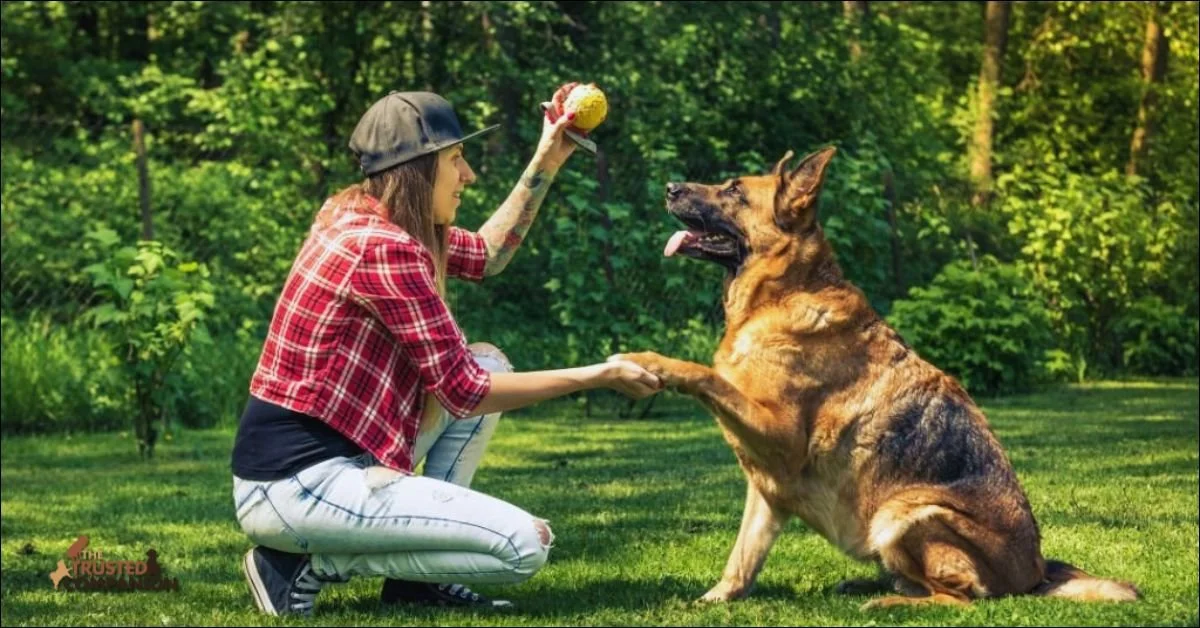
Training your dog is about much more than asking them to perform a trick on cue. It is a way to create clear communication, encourage safer choices, and build a relationship rooted in trust. When your dog understands what you are asking, daily routines often feel less chaotic and more enjoyable for both of you.
For many dog owners, behavior challenges can feel personal. You may worry that you made mistakes, that your dog is not listening, or that their excitement, anxiety, or reactivity will never improve. The truth is that learning takes time, and progress need not be perfect to be meaningful. Every calm response, successful recall, and patient training session can strengthen the connection you share.
Teaching basic dog commands gives your dog structure without taking away their personality. These skills can help your dog settle around guests, stay safe near open doors, return to you during walks, and avoid objects that could cause harm. Whether you have a young puppy, a newly adopted rescue, or an older dog who needs a fresh start, basic training can create a more confident and relaxed life together.
This guide covers the five essential basic dog commands every dog owner should teach: sit, stay, down, come, and leave it. You will also learn how dogs understand commands, how to make training easier, what to do when progress stalls, and how to practice these skills during everyday routines.
Why Basic Dog Commands Matter
Basic dog commands are not about controlling every part of your dog’s life. They are tools that help you guide your dog through situations that may otherwise feel confusing, exciting, or stressful. Dogs do not automatically know what behavior we expect when someone knocks on the door, when food falls on the floor, when a child runs past, or when another dog appears during a walk.
A clear command gives your dog a familiar option. Instead of jumping on visitors, they can sit. Instead of rushing through an open door, they can stay. Instead of picking up a dangerous object, they can leave it. Over time, these repeated choices can make your dog feel more secure because they understand what earns praise, rewards, and positive attention.
The most important basic dog commands also support safety. A reliable recall can help if a leash slips from your hand. A strong stay can prevent your dog from bolting into a parking area. Leaving it can stop them from eating something unsafe during a walk. These are not minor skills. They can make a significant difference in the moments when you need your dog to respond quickly.
Training also supports the emotional side of dog ownership. If you feel tense every time someone visits, nervous during walks, or frustrated by repeated behavior problems, consistent practice can help you rebuild confidence. You do not need to be a perfect trainer. You simply need a patient approach, realistic expectations, and a willingness to keep showing your dog what success looks like.
How Dogs Learn Basic Commands
Dogs do not understand language in the same way people do. They learn through repetition, timing, body language, tone of voice, and consequences. When a behavior is followed by something your dog enjoys, such as a treat, praise, play, or access to something they want, they are more likely to repeat it.
That is why consistency matters when teaching basic dog commands. If you say “sit” one day, “sit down” the next day, and “park it” later that week, your dog may struggle to understand which word matters. Choose one short verbal cue for each behavior and use it consistently.
Your body language matters too. Dogs often notice movement before they process a spoken word. A raised hand, an open palm, or a small step backward can become part of the cue. For example, you might pair the word “sit” with a hand moving upward, or pair “stay” with an open hand held in front of your dog.
To help your dog learn more effectively, follow these basic training principles:
Use one clear word for each command.
Reward your dog immediately after the correct behavior.
Keep your tone calm, encouraging, and consistent.
Practice in a quiet space before adding distractions.
Train for short periods instead of pushing through long sessions.
End on a successful repetition whenever possible.
Avoid scolding your dog for being confused or slow to respond.
Timing is especially important. If your dog sits and you wait too long to give the treat, they may not associate the reward with sitting. Try to reward within a second or two of the desired behavior. You can eventually reduce treats as the command becomes more reliable, but early training should make success easy and worthwhile for your dog.
It is also helpful to remember that dogs learn at different speeds. Some dogs quickly understand food-based training but become distracted outdoors. Others may be cautious, highly energetic, anxious, or less interested in treats. That does not mean they are stubborn or beyond help. It simply means their training plan may need more patience, better rewards, or smaller steps.
The Five Essential Basic Dog Commands
Most dog owners should begin with five core commands:
Sit
Stay
Down
Come
Leave it
These basic dog commands form a foundation for polite behavior, safety, and communication. Once your dog understands them, you can build on that foundation with skills such as wait, drop it, place, heel, touch, and settle.
Do not feel pressured to teach everything at once. Focus on one or two commands at a time, then add more as your dog gains confidence. Short, positive training sessions are more effective than overwhelming your dog with too much information.
How to Teach Your Dog to Sit
“Sit” is often one of the first basic dog commands owners teach because it is simple, useful, and easy to practice throughout the day. Asking your dog to sit can prevent jumping, reduce excitement, and help them pause before something fun happens.
You can use sit before meals, before attaching the leash, before greeting visitors, before getting into the car, or before receiving a toy. The goal is not to make your dog sit constantly. The goal is to teach them that calm behavior can open the door to good things.
Here is a simple way to teach the sit command:
Stand in front of your dog with a small, high-value treat.
Hold the treat close to your dog’s nose so they can smell it.
Slowly move the treat upward and slightly back over their head.
As your dog follows the treat with their eyes and nose, their rear end will often lower toward the floor.
The moment their bottom touches the ground, say “sit.”
Immediately give the treat and offer calm praise.
Repeat this several times, but keep the session brief. Once your dog begins sitting consistently, say “sit” just before moving your hand with the treat. This helps your dog connect the word with the action.
If your dog jumps up instead of sitting, avoid pushing them into position. Simply reset, lower the treat closer to their nose, and move it more slowly. Some dogs need a little extra time to understand the motion.
A useful everyday example is asking for a sit before opening the front door. Your dog learns that sitting calmly, not rushing or barking, helps them move forward with you. This kind of practice turns basic dog commands into natural habits rather than something reserved for formal training sessions.
How to Teach Your Dog to Stay
The stay command teaches your dog to remain in place until you release them. It is one of the most valuable basic dog commands for safety and self-control. A dependable stay can help when you need to answer the door, unload groceries, prepare food, welcome guests, or keep your dog from rushing toward a distraction.
Start in a quiet room with your dog close to you. Ask them to sit or lie down first. Then hold your hand up with your palm facing your dog, similar to a stop signal, and say “stay” in a calm, clear voice.
Follow these steps:
Ask your dog to sit or down.
Say “stay” while showing your hand signal.
Wait for one or two seconds.
If your dog remains in place, reward them immediately.
Give a release word, such as “okay” or “free.”
Gradually increase the time before you reward and release them.
The release word matters because it tells your dog that the stay is over. Without a release cue, your dog may not understand whether they should continue waiting or are free to move. Choose one release word and use it consistently.
Once your dog can stay for a few seconds, begin adding distance. Take one small step backward, then return to reward them. Slowly build to two steps, three steps, and more. If your dog gets up, do not punish them. Simply guide them back to the starting position and make the next attempt easier.
Later, you can add mild distractions, such as moving your arms, taking a few steps to the side, or opening a nearby door. Build difficulty gradually. Asking for a long stay around intense distractions too soon can make training frustrating for both of you.
Stay is especially helpful for dogs who become overstimulated when visitors arrive. Rather than expecting immediate perfection, reward small wins. A dog who stays for three seconds while someone enters the room is learning. Those small moments can grow into calm, reliable behavior with consistent practice.
How to Teach Your Dog to Lie Down
The down command asks your dog to lie down with their body on the floor. This is different from “get down,” which many people use when they want a dog to stop jumping. For clear communication, use “down” only for the lying position and choose a different phrase, such as “off,” for getting off furniture or stopping a jump.
Down can help your dog settle during meals, visits, grooming, veterinary appointments, or quiet time at home. It may also encourage a lower-energy response in situations where your dog is becoming too excited.
Some dogs learn down quickly, while others need more time. Lying down can make a dog feel vulnerable, especially if they are nervous or unfamiliar with training. Be patient and never force your dog into the position.
To teach down:
Start with your dog in a sit or standing position.
Hold a treat close to their nose.
Slowly lower the treat to the floor.
Move the treat gently forward along the floor, away from your dog.
As your dog follows the treat, they will usually lower their elbows and body.
When their body reaches the floor, say “down.”
Reward immediately and offer calm praise.
If your dog backs away or loses interest, make the movement smaller. You can also try practicing beside a wall or in a corner so there is less room to move backward. Do not rush the process. For some dogs, rewarding partial progress, such as lowering their head or bending their elbows, can help them understand the next step.
Once your dog is comfortable with down, use it in low-pressure daily moments. Ask for down while you watch television, work at a desk, or eat dinner. Offer a chew toy or a few treats to keep them relaxed. This can help your dog associate the command with comfort and calm rather than restriction.
How to Teach a Reliable Come Command
“Come” is one of the most important basic dog commands because it can protect your dog when something unexpected happens. If your dog slips through a gate, becomes distracted during a walk, or moves toward a hazardous situation, a reliable recall can help bring them back to you.
Your dog should learn that coming to you is always a positive experience. Never call your dog to you only to end fun, scold them, trim their nails, or place them in a crate after they have done something you dislike. If “come” starts to predict something unpleasant, your dog may become less eager to respond.
Start recall training in a quiet area with your dog on a leash or long line.
Move a short distance away from your dog.
Say “come” once in a bright, friendly voice.
You can crouch down, open your arms, or take a few steps backward to encourage your dog.
Gently guide them with the leash if needed, but avoid pulling sharply.
When your dog reaches you, reward them with a high-value treat and enthusiastic praise.
Release them to continue exploring or playing when appropriate.
The most important part happens after your dog reaches you. Make it worthwhile. Use treats your dog loves, offer a favorite toy, or give them several seconds of happy attention. Your dog should think, “Going back to my person is always a great choice.”
As your dog improves, practice in a fenced area with few distractions. Then gradually practice around more interesting sights, sounds, and smells. Do not test your dog in a busy environment before they are ready. A recall command needs repetition in many settings before it becomes dependable.
You can also play a simple recall game with family members. Have two people stand several feet apart, taking turns calling the dog and rewarding it when it arrives. This makes training fun and gives your dog more practice responding quickly.
If your dog does not come, avoid repeating the command. Saying “come, come, come” can teach them that the first few requests do not matter. Instead, move closer, use a more exciting voice, reduce distractions, or go back to practicing on a long line.
How to Teach the Leave It Command
Dogs explore with their noses and mouths. They may be interested in food wrappers, dropped medication, chicken bones, sharp objects, trash, socks, or other things that could be unsafe. “Leave it” teaches your dog to disengage from an item and focus back on you.
This command is different from “drop it.” Leave it means, “Do not touch that item.” Drop it means, “Release the item already in your mouth.” Both can be useful, but leave it is often the first line of defense.
Here is an easy way to teach leave it:
Hold a treat in one closed hand.
Let your dog notice the treat.
Say “leave it” once.
Your dog may sniff, paw, lick, or wait near your hand.
The moment they look away, pause, or stop trying to get the treat, say “yes” or offer praise.
Give them a different treat from your other hand.
The key is that your dog does not receive the treat they were told to leave. They receive a better reward from you for choosing to disengage. This teaches them that listening is more rewarding than grabbing whatever they see.
Once your dog understands the first stage, practice with the treat in an open hand. Later, place the treat on the floor while covering it with your hand if needed. Gradually increase difficulty by practicing around toys, food, or safe household objects.
Do not begin with something dangerous or highly tempting. Build the skill in controlled situations first. During walks, you may need to use a leash and physical distance while your dog is still learning. Management and training work together to keep your dog safe.
Leave it can be particularly valuable for anxious owners who worry about what their dog might pick up outside. The command gives you a clear action to practice, while consistent training can help you feel more prepared and less fearful during walks.
Common Training Challenges and Solutions
Training does not always go smoothly. Your dog may understand a command at home but ignore it outside. They may perform beautifully in the morning and seem distracted later in the day. This is normal. Dogs are affected by their environment, energy level, stress, excitement, and past experiences.
Here are common challenges when teaching basic dog commands:
Short attention span: Keep sessions to about three to five minutes, then take a break. Multiple short sessions often work better than one long session.
Too many distractions: Start indoors or in a quiet area. Slowly add distractions after your dog succeeds in easier settings.
Inconsistent cues: Make sure everyone in the household uses the same words, gestures, and release cue.
Low motivation: Try higher-value treats, a favorite toy, praise, or access to something your dog enjoys.
Moving too quickly: If your dog struggles, reduce the distance, duration, or distraction level and reward easier successes.
Frustration from the owner: Take a break if you feel stressed. Your dog can pick up on tension, and training should remain calm and constructive.
Fearful or reactive behavior: Focus on safety and seek guidance from a qualified professional if your dog shows aggression, intense anxiety, or behavior that could put people or animals at risk.
A dog who struggles is not a bad dog. They may be confused, overwhelmed, underprepared, or simply learning at their own pace. The goal is progress, not perfection. Consistency, kindness, and clear communication can make a meaningful difference over time.
How to Practice Basic Dog Commands Every Day
You do not need to schedule an hour of formal training every day. One of the easiest ways to reinforce basic dog commands is to weave them into routines that already happen.
Try these simple opportunities:
Ask for “sit” before putting down the food bowl.
Use “stay” before opening the front door or car door.
Practice “down” while you prepare dinner or answer emails.
Use “come” for short recall games in a secure yard or indoor space.
Say “leave it” when your dog notices a dropped snack or an item they should not investigate.
Ask for “sit” before greeting a family member or visitor.
Reward your dog for choosing calm behavior around distractions.
Daily practice helps commands become part of your shared language. It also creates predictable moments where your dog can succeed. Instead of waiting for a behavior problem to happen, you are proactively showing your dog what to do.
Keep your expectations fair. A puppy may only be able to stay for a few seconds. A newly adopted dog may need time to settle into a new home before training feels easy. An older dog may need a slower pace or different rewards. Every dog can learn, but each dog deserves an approach that respects their history, temperament, and needs.
Conclusion
Teaching basic dog commands is one of the most practical ways to create a safer, calmer, and more connected relationship with your dog. Sit, stay, down, come, and leave it can help with everyday manners, reduce stressful moments, and give your dog clearer guidance when life feels busy or unpredictable.
You are not failing if your dog needs repetition. You are not alone if walks feel difficult, guests make your dog nervous, or you feel discouraged by a lack of progress. Dog training is not about having a flawless dog. It is about learning how to communicate, respond with patience, and create more moments of trust.
At The Trusted Companion, we believe every dog owner deserves support without judgment. Whether your dog is a puppy, an adult rescue, highly energetic, anxious, reactive, or simply in need of better structure, you can build a stronger foundation one step at a time.
If you are ready to move beyond frustration and create a calmer relationship with your dog, contact The Trusted Companion today. Our guidance is designed to help you feel more confident, help your dog feel more secure, and make life together feel less overwhelming.
FAQs
Why are basic dog commands important?
Basic dog commands help create clear communication between you and your dog, making daily life safer and more manageable. They also promote better behavior in public settings and reduce stress at home.
At what age should I start teaching my dog basic commands?
You can start teaching basic commands as early as 8 weeks old. Puppies learn quickly through repetition and positive reinforcement, so early training builds good habits from the start.
What if my dog doesn’t respond to training?
It’s normal for dogs to need time and repetition to learn. If progress is slow, keep sessions short, stay consistent with commands, and use rewards your dog enjoys.
Can adult dogs still learn basic commands?
Yes, adult dogs can absolutely learn new commands with the right approach. Training may take a bit longer than with puppies, but consistency and patience lead to success.
How often should I practice basic commands with my dog?
Daily practice is ideal, even if it’s just for a few minutes at a time. Using commands during normal activities helps reinforce learning and builds consistency.