
Understanding Aggressive Dog Training and How It Helps Dogs Become Safer and Calmer Companions
Aggressive dog training is not about labeling a dog as bad, dangerous, or impossible to manage. It is about understanding why a dog feels the need to growl, bark, lunge, snap, guard resources, or bite, then helping that dog learn safer and calmer ways to respond.
For many owners, living with an aggressive or reactive dog can feel exhausting. You may worry before walks, avoid visitors, feel embarrassed when your dog reacts in public, or question whether you have done something wrong. Those feelings are understandable. You love your dog, but you may not know how to help them feel safe.
The Trusted Companion believes that no owner should feel judged for seeking help. Many dogs that show aggressive behavior are scared, overwhelmed, stressed, uncomfortable, or unsure how to handle a situation. With patient guidance, appropriate safety measures, consistent routines, and a thoughtful training plan, many dogs can make meaningful progress.
Aggressive dog training helps create a stronger connection between you and your dog. It replaces chaos with structure, uncertainty with understanding, and fear with a more confident relationship built on trust.
What Is Aggressive Dog Training?
Aggressive dog training is a specialized approach for dogs that display reactive, defensive, threatening, or unsafe behaviors. These behaviors can include growling, snarling, barking intensely, lunging, snapping, biting, guarding food or toys, or reacting strongly to people, dogs, sounds, and unfamiliar environments.
The purpose of aggressive dog training is not to force a dog into submission. It is not about making a dog afraid of its owner or punishing every warning signal. Instead, effective training identifies what is causing the reaction and teaches the dog safer alternatives.
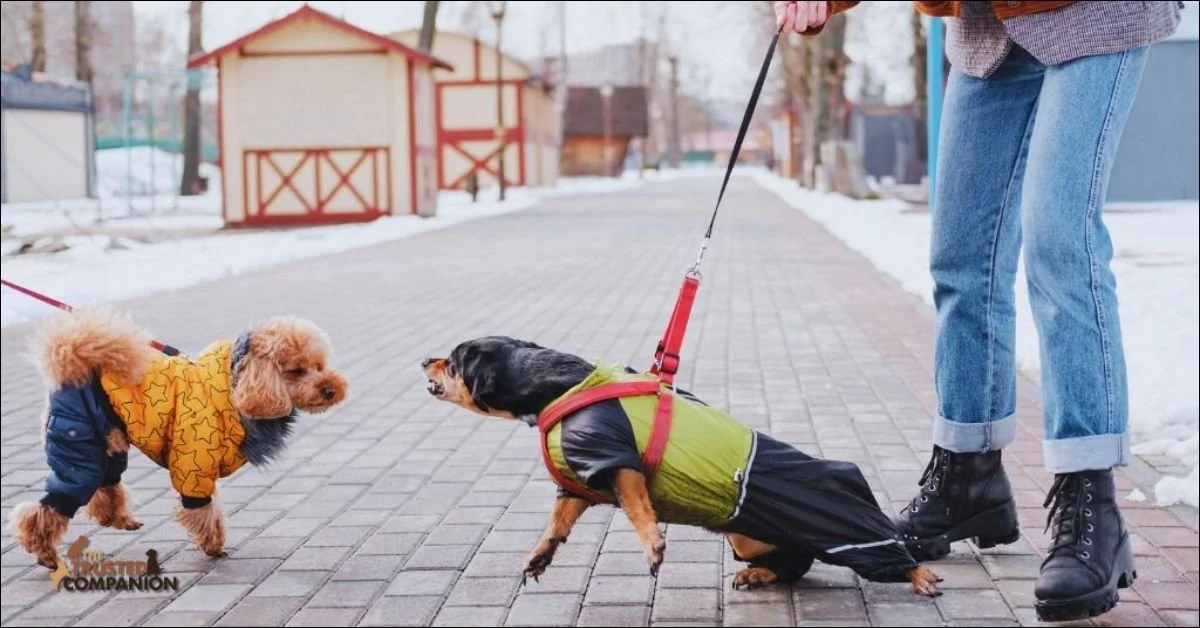
For example, a dog may bark and lunge at another dog during a walk. To an observer, the behavior may look hostile. However, that dog may be frightened, frustrated by the leash, overstimulated, or trying to create distance from something that feels threatening. Aggressive dog training helps the owner recognize the reason behind the behavior and guide the dog toward a calmer response.
A responsible approach to aggressive dog training focuses on:
Identifying triggers and patterns
Improving communication between dog and owner
Reducing fear, stress, and uncertainty
Building reliable obedience skills
Practicing safe management techniques
Rewarding calm choices
Creating predictable routines
Protecting people, other animals, and the dog throughout training
Many dogs with aggressive behavior are not trying to be difficult. They are struggling to cope. When owners understand that distinction, they can begin approaching training with more patience, confidence, and compassion.
Why Do Dogs Show Aggressive Behavior?
Dogs do not usually become aggressive without a reason. Aggressive behavior is often a form of communication. It may be the dog’s way of saying, “I am scared,” “Please give me space,” “I am in pain,” or “I do not know what to do.”
Understanding the cause is one of the most important parts of aggressive dog training. A training plan should never focus only on stopping the visible behavior. It should also address the emotional and environmental factors behind it.
1. Fear and Anxiety
Fear is one of the most common causes of aggressive behavior in dogs. A fearful dog may try to move away from the trigger first. If they cannot escape, they may bark, growl, lunge, snap, or bite in an attempt to make the threat disappear.
A dog may fear strangers, children, other dogs, loud sounds, moving objects, grooming, veterinary handling, or unfamiliar places. Some dogs look bold or intense when they react, but their behavior may actually come from anxiety.
Aggressive dog training can help fearful dogs build confidence slowly. The goal is not to force the dog to face every fear immediately. The goal is to help them feel more secure while teaching them that they can look to their owner for direction.
2. Lack of Early Socialization
Puppies learn important social skills during their early development. They benefit from gentle, positive exposure to people, dogs, sounds, surfaces, objects, and environments. A dog that did not receive enough safe exposure early in life may find everyday experiences overwhelming later on.
For instance, a dog that has rarely seen bicycles, visitors, busy sidewalks, or other dogs may react strongly when faced with those situations. Controlled exposure can be an important part of aggressive dog training, especially when a dog needs to learn that unfamiliar things do not always mean danger.
3. Previous Trauma or Negative Experiences
Dogs can remember frightening experiences. A dog that was neglected, mishandled, attacked by another animal, or repeatedly frightened may become more defensive in situations that remind them of those experiences.
This does not mean the dog is beyond help. It means the dog may need extra patience, a carefully paced plan, and an owner who understands that trust takes time to rebuild.
The Trusted Companion’s approach is rooted in helping owners move past guilt and frustration. You may not be responsible for what happened before your dog came into your life, and you do not need to have all the answers right away. What matters is taking the next helpful step.
4. Pain or Medical Concerns
Pain can change a dog’s behavior. A dog that suddenly growls when touched, reacts during grooming, avoids being picked up, or snaps without warning may be uncomfortable.
Joint problems, dental pain, ear infections, skin conditions, injuries, digestive discomfort, and other medical concerns can make a dog more sensitive or defensive. Before beginning a full aggressive dog training plan, it is often wise to speak with a veterinarian, particularly if the behavior is sudden or unusual for your dog.
Treating an underlying health concern may reduce stress and make behavior training more effective.
5. Resource Guarding
Some dogs become aggressive around food, treats, toys, beds, furniture, or even specific people. This is called resource guarding. The dog may stiffen, stare, hover over the item, growl, show teeth, snap, or bite when someone gets too close.
Resource guarding can be stressful for owners, especially in homes with children, guests, or multiple pets. However, the behavior can often be improved through careful management and positive training. Taking items away by force or punishing a growl can make the dog feel less safe and may worsen the guarding behavior.
6. Frustration and Overstimulation
Not all reactive dogs are motivated by fear alone. Some dogs become frustrated when they are restrained by a leash, prevented from greeting another dog, or unable to reach something they want. Others become overstimulated by noise, movement, visitors, or a crowded environment.
A dog may become so excited or stressed that they lose the ability to listen, think clearly, or respond to familiar commands. Aggressive dog training teaches owners how to notice when their dog is approaching that point and how to help them settle before the reaction escalates.
Early Warning Signs of Aggression in Dogs
Aggression rarely appears completely without warning. Dogs often show more subtle signs of discomfort before they growl, bark, snap, or bite. Learning to read these signals can prevent incidents and help you intervene earlier.
Common warning signs include:
A stiff or frozen body posture
Hard staring or intense eye contact
Showing the whites of the eyes
Ears pinned back or held rigidly forward
A tightly closed mouth or tense facial muscles
Raised hackles along the back
Lip licking when no food is present
Yawning in a tense situation
Turning the head away
Low growling
Curling the lip or showing teeth
A rigid, high tail or a tucked tail
Pacing, shaking, panting, or sudden avoidance
Ignoring known commands when a trigger appears
A growl should not be ignored or punished. A growl is an important warning that tells you your dog is uncomfortable. If a dog learns that growling leads to punishment, they may stop warning before escalating to a snap or bite.
Instead, calmly create distance from the trigger when possible. Then consider what happened before the growl. Was someone approaching their food? Did another dog come too close? Was the dog tired, uncomfortable, trapped, startled, or overwhelmed?
These observations can help shape a more effective aggressive dog training plan.
Why Trust Matters in Aggressive Dog Training
Trust is the foundation of successful aggressive dog training. A dog that feels safe with their owner is more likely to look for guidance rather than react impulsively.
Trust does not come from controlling every movement your dog makes. It comes from being consistent, calm, fair, and attentive. Your dog learns that you will protect them from situations that are too much, listen when they communicate discomfort, and guide them through challenging moments without making them feel more afraid.
You can begin building trust through simple daily habits:
Keep feeding, walking, rest, and training routines predictable.
Use a calm voice and clear cues.
Reward desired behaviors consistently.
Avoid forcing your dog into situations they cannot handle.
Give your dog enough physical and emotional space.
Watch for early stress signals.
Set boundaries without intimidation.
Follow through on training in a patient, steady way.
A dog with a history of fear or reactivity may not trust quickly. That is normal. Progress is often built through small, repeated moments where the dog learns that good things happen when they stay calm and that their owner will help them feel secure.
At The Trusted Companion, owners are encouraged to let go of the idea that they have failed their dogs. The path forward is not about being perfect. It is about becoming a reliable, confident partner your dog can depend on.
Positive Reinforcement for Aggressive Dogs
Positive reinforcement is a key part of aggressive dog training because it teaches dogs what to do instead of only focusing on what not to do.
When a dog makes a calm or safe choice, you reward it with something valuable. Depending on the dog, this may be a small treat, praise, a toy, access to a preferred activity, or simply more distance from a stressful trigger.
For example, imagine your dog notices another dog across the street. Instead of barking and lunging, your dog looks at you for a moment. You can reward that eye contact. Over time, your dog begins to understand that seeing another dog does not always lead to danger or conflict. Looking to you becomes a better choice.
Positive reinforcement may include:
Giving treats when your dog remains calm at a safe distance from a trigger
Rewarding eye contact and check-ins during walks
Praising your dog for choosing to move away from something stressful
Reinforcing a sit, down, place, or stay cue in a low-pressure environment
Rewarding relaxed body language
Teaching your dog to go to a mat or safe area when visitors arrive
Offering a food reward when your dog hears a sound that previously caused anxiety
The goal is not to bribe a dog into ignoring fear. The goal is to carefully change the dog’s emotional response while giving them a clear, positive alternative behavior.
Desensitization and Counterconditioning
Two of the most helpful methods used in aggressive dog training are desensitization and counterconditioning. These techniques are often used together to help a dog feel less threatened by specific triggers.
Desensitization
Desensitization means exposing a dog to a trigger at a level where they can notice it without becoming overwhelmed. The exposure is controlled and gradual.
For example, if a dog reacts to other dogs, training may begin with the dog observing another calm dog from far away. At that distance, the dog may be able to remain relaxed enough to eat treats, respond to their name, or look at their owner.
As the dog becomes more comfortable, the training plan may slowly adjust the distance, duration, or intensity of the exposure. The dog should not be pushed past what they can handle.
Counterconditioning
Counterconditioning changes how a dog feels about a trigger. The dog begins to associate something stressful with something positive.
For instance, if the sight of another dog usually causes fear, the owner may offer high-value treats the moment another dog appears at a safe distance. Repeated carefully, this can help the reactive dog begin to think, “Another dog appears, and good things happen.”
This process requires timing, consistency, and patience. It is not about forcing the dog to like every person or animal. It is about helping the dog feel safer and make better choices.
A qualified trainer can help determine the right pace. Moving too quickly can cause setbacks, while a well-structured plan can create steady improvement.
Creating Structure at Home
Dogs often feel more secure when their daily lives are predictable. Structure does not mean making a dog’s life strict or joyless. It means creating routines and expectations that reduce confusion.
A dog with aggressive tendencies may benefit from:
Consistent meal times
Regular walks and bathroom breaks
Daily exercise suited to their needs
Short, focused training sessions
A quiet place to rest without interruption
Clear household rules
Controlled introductions to guests
A plan for handling deliveries, visitors, and busy times
Boundaries around furniture, food, toys, or doorways when needed
A calm home routine can make a meaningful difference. When dogs know what to expect, they often feel less anxious. When owners respond consistently, dogs learn which behaviors lead to safety, attention, and rewards.
For example, if your dog reacts when visitors arrive, you may create a routine where your dog goes behind a barrier, into a crate, or onto a designated mat before the door opens. This gives your dog a clear job and prevents them from feeling responsible for managing the situation.
Safety Tools for Aggressive Dog Training
Safety is essential in aggressive dog training. The right tools do not replace training, but they can protect everyone while your dog is learning new skills.
Helpful tools may include:
A secure harness that fits properly
A sturdy leash with appropriate length
A long line for controlled training at a distance
A treat pouch for quick rewards
Baby gates, exercise pens, or barriers
A crate or quiet recovery space
Visual barriers for windows or fences
Training cones or markers for distance work
A properly conditioned basket muzzle
A muzzle can be an especially valuable safety tool when introduced correctly. It should never be used as punishment. A well-fitted basket muzzle allows a dog to pant, drink water, and take treats while adding protection during training, vet visits, introductions, or other challenging situations.
Muzzle training should be gradual and positive. Your dog should learn that seeing and wearing the muzzle predicts treats, praise, and calm experiences.
When to Get Professional Help
Some owners can make progress with basic management and training. However, aggressive dog training can become complicated, especially when there is a history of bites, severe fear, unpredictable behavior, or multiple triggers.
Professional guidance can be especially important if your dog:
Has bitten a person or another animal
Has caused an injury
Reacts suddenly or unpredictably
Guards food, toys, furniture, or people
Lunges or barks intensely on walks
Shows severe separation-related distress
Becomes aggressive during handling or grooming
Reacts strongly to visitors or children
Has behavior that is escalating
Makes you feel nervous or unsafe
Seeking help is a responsible decision, not a failure. A skilled dog behavior professional can assess your dog’s body language, identify patterns, recommend safety steps, and create a plan that fits your household.
The Trusted Companion is designed to be a calm, non-judgmental source of support for owners who feel discouraged or overwhelmed. Whether your dog is young or old, large or small, newly adopted or part of your family for years, there is value in having an experienced guide in your corner.
Conclusion
Aggressive dog training is one of the most compassionate forms of canine support. It helps dogs that feel insecure, overwhelmed, or misunderstood. These dogs do not want to behave aggressively. They are trying to cope with fear, pain, or confusion in the only way they know.
With patience, structure, and positive reinforcement, many dogs can overcome aggressive tendencies and learn to respond with calmness and confidence. It takes time, but the result is a safer and more trusting bond between dog and owner.
If you want help from an experienced dog professional who understands aggressive dog training and the emotional needs of both dogs and owners, The Trusted Companion is ready to support you. Reach out to The Trusted Companion today and take the first step toward creating a calmer and more confident life for your dog.
FAQs
What is aggressive dog training?
Aggressive dog training focuses on helping dogs that react with growling, snapping, lunging, or barking due to fear or stress. The goal is to teach the dog safer and calmer responses through structure and positive reinforcement.
Can aggressive dog behavior be fixed?
Many dogs can improve significantly with consistent training, patience, and the right techniques. While every dog is different, gradual progress is common when the underlying cause of aggression is understood.
Why is my dog suddenly aggressive?
Sudden aggression can come from pain, fear, or changes in the environment. A veterinarian check and a behavior evaluation can help determine what triggered the change.
Is punishment helpful for aggressive dogs?
Punishment often increases fear and confusion, which can make aggression worse. Positive reinforcement is safer and helps build trust between the dog and the owner.
When should I call a professional trainer?
You should contact a professional if the aggression feels unsafe, unpredictable, or difficult to manage on your own. A trained specialist can create a structured plan that fits your dog's needs and keeps everyone safe.